

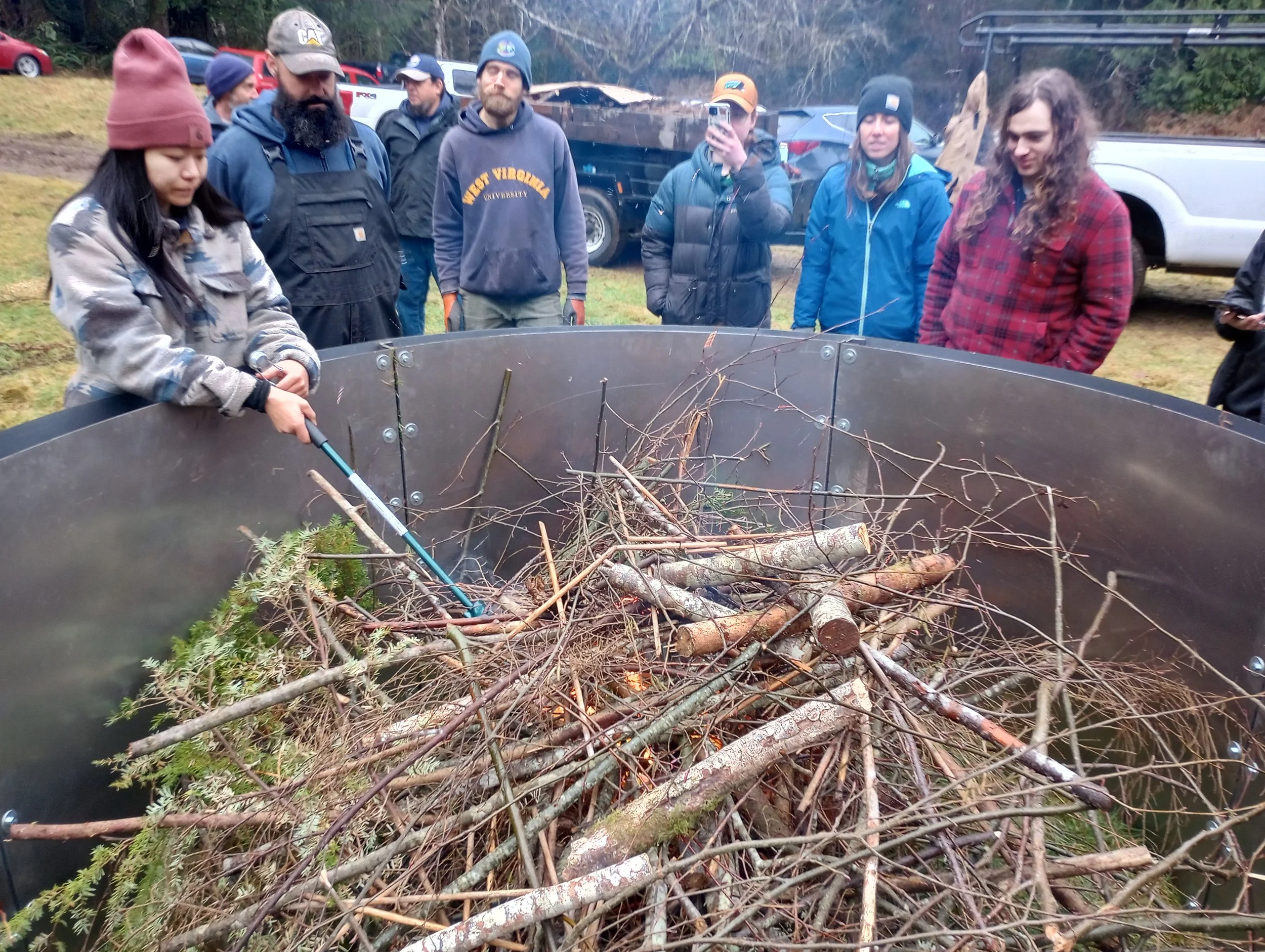
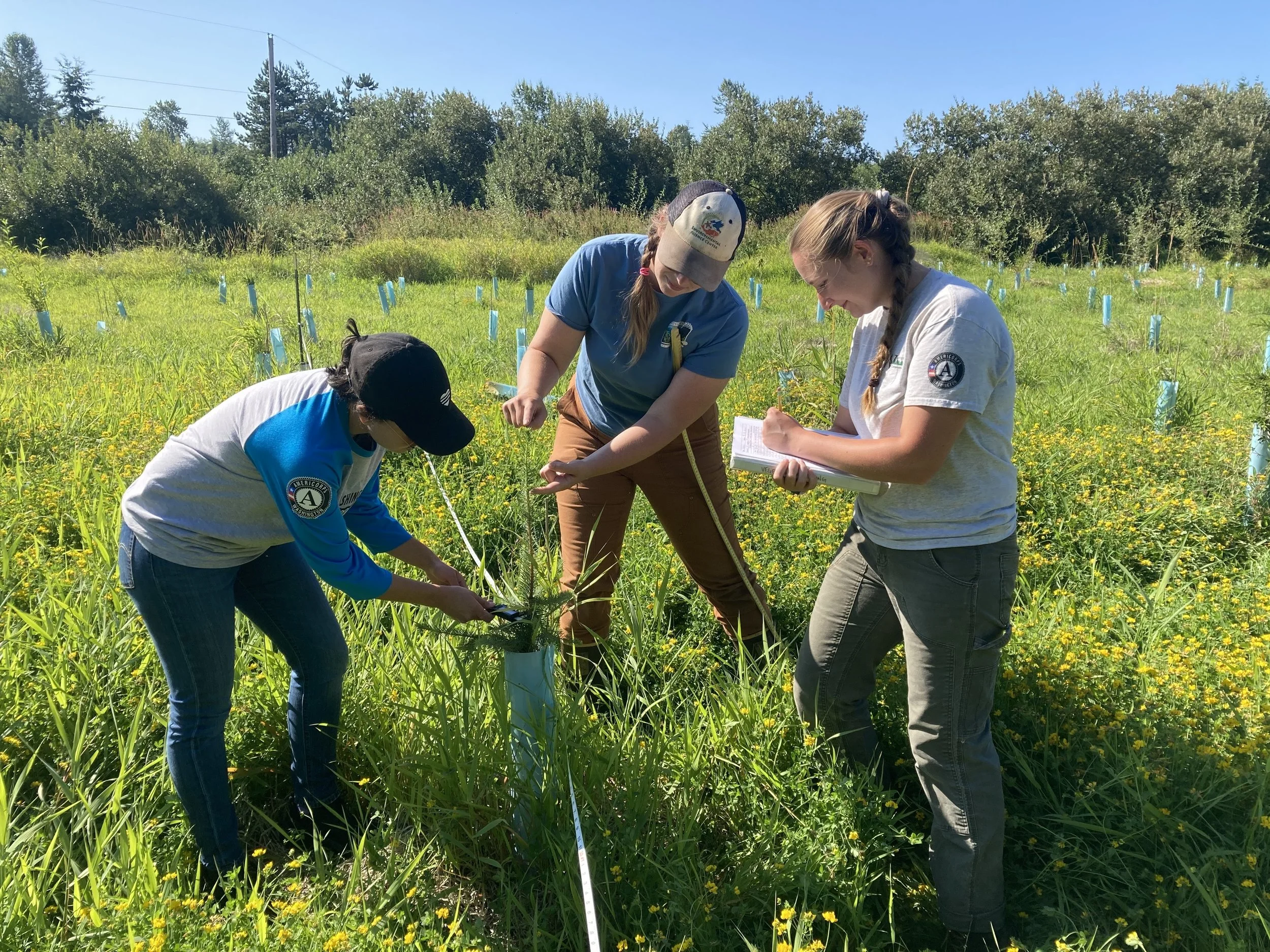
Waterproof waders. Neoprene boots. White and yellow hard hats. Sturdy gloves. These are some of the items you might see our Washington Conservation Corps members wearing as they support the District’s restoration programs.
Read More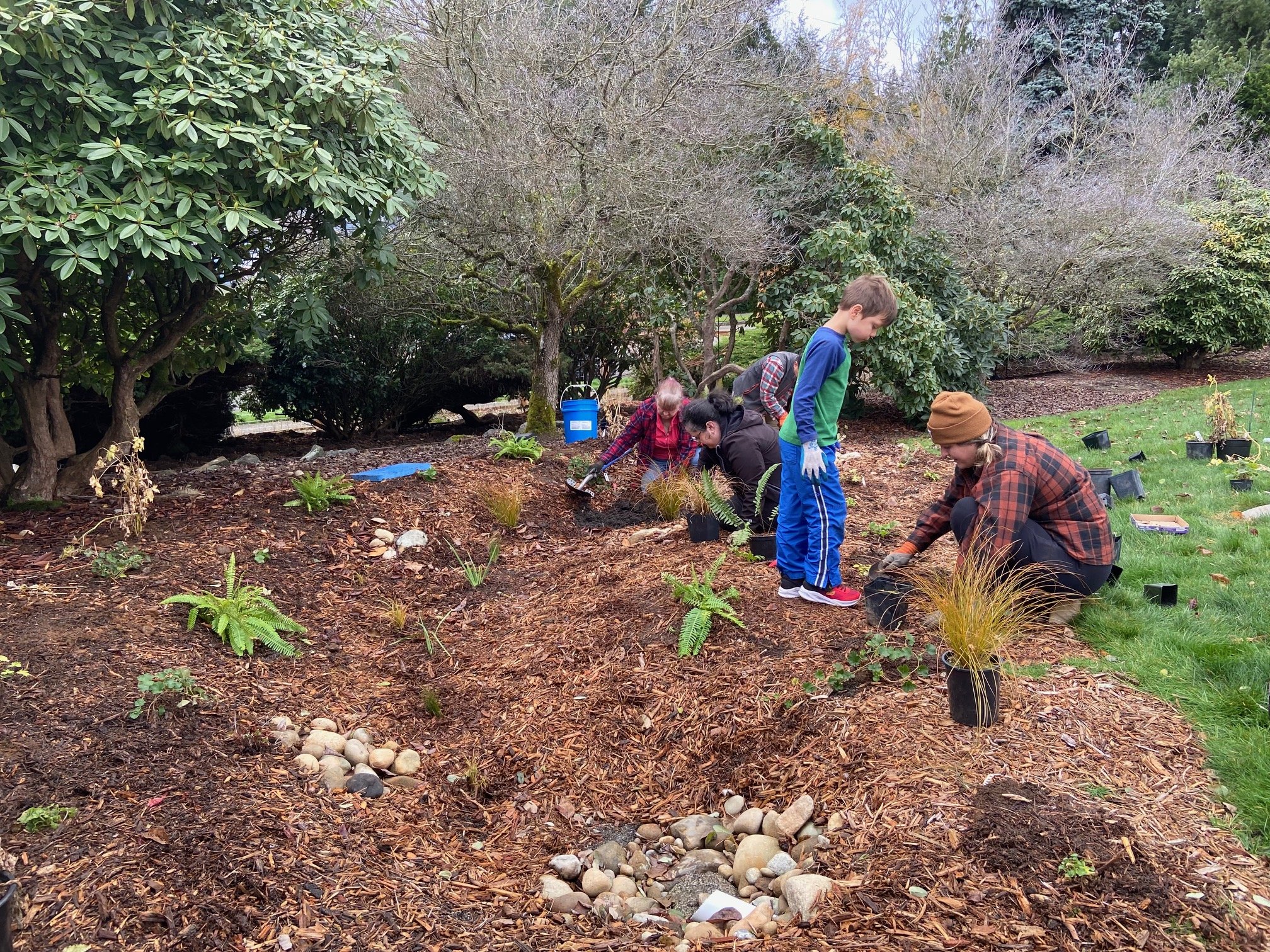
Rain gardens are a valuable tool for managing the abundant rainfall we experience in Western Washington. These shallow depressions are enriched with a special soil blend and then planted with perennial shrubs and flowers.
Read More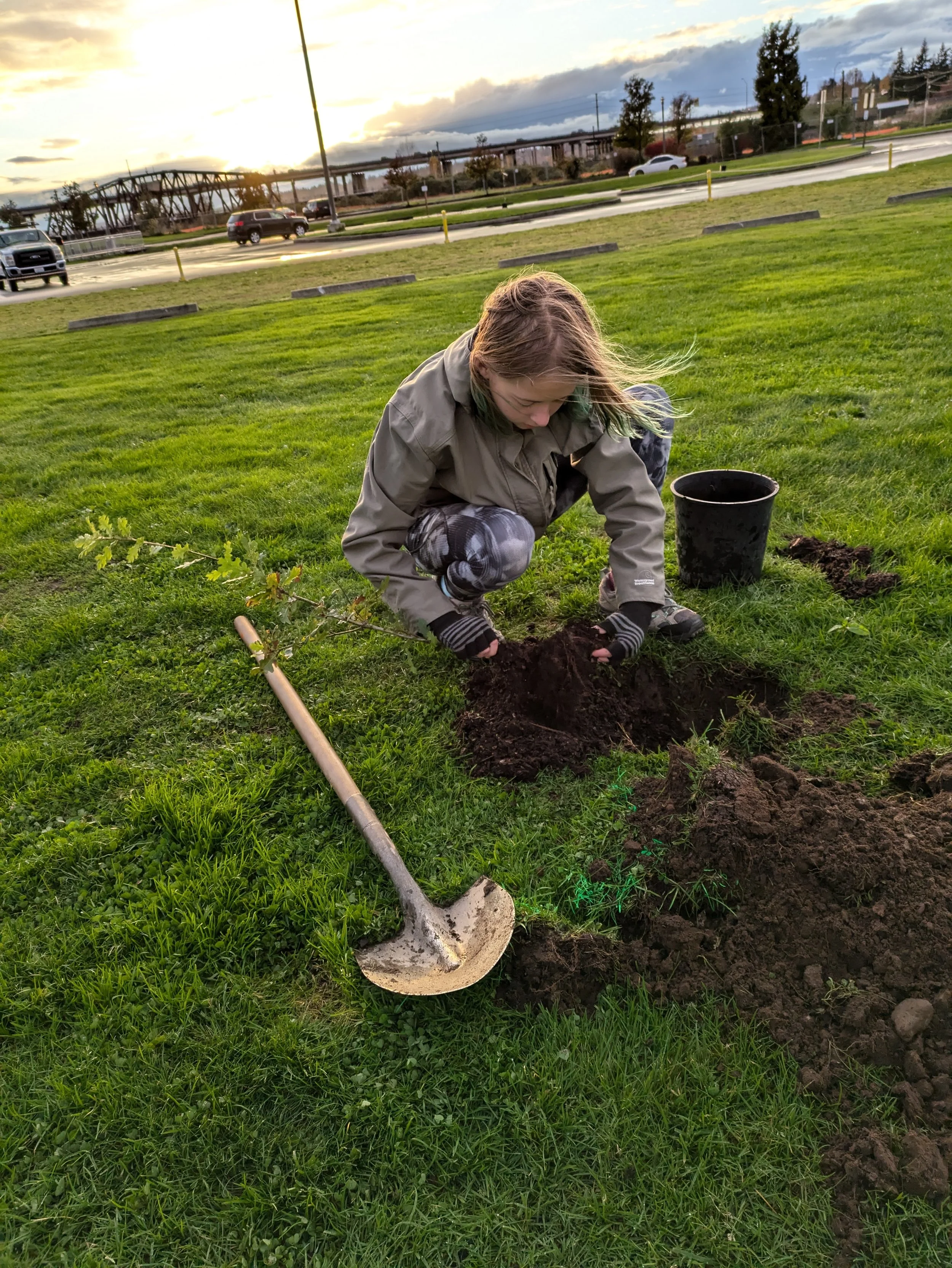
Shade, beauty, fresh air, and clean water are just a few of the benefits trees provide to urban neighborhoods. We can thank trees for filtering pollutants from vehicle emissions in high-traffic areas, slowing stormwater runoff, and mitigating urban heat islands. Trees also create habitat for pollinators and wildlife, enhance neighborhood aesthetics, and provide access to nature which can positively impact residents’ mental health and well-being. Trees contribute so much to our daily lives, yet many urban communities in Snohomish County face a lack of canopy cover.
Read More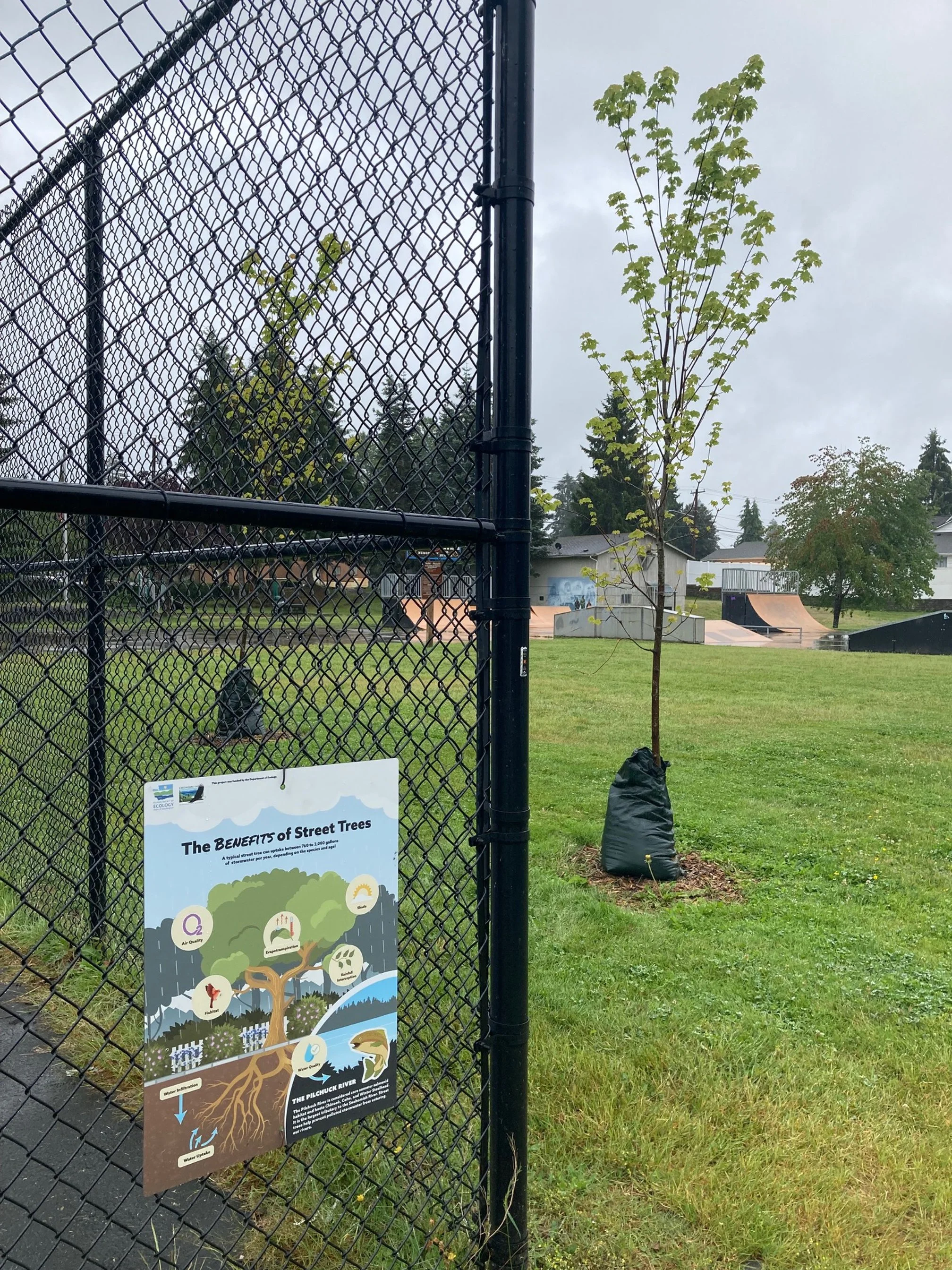
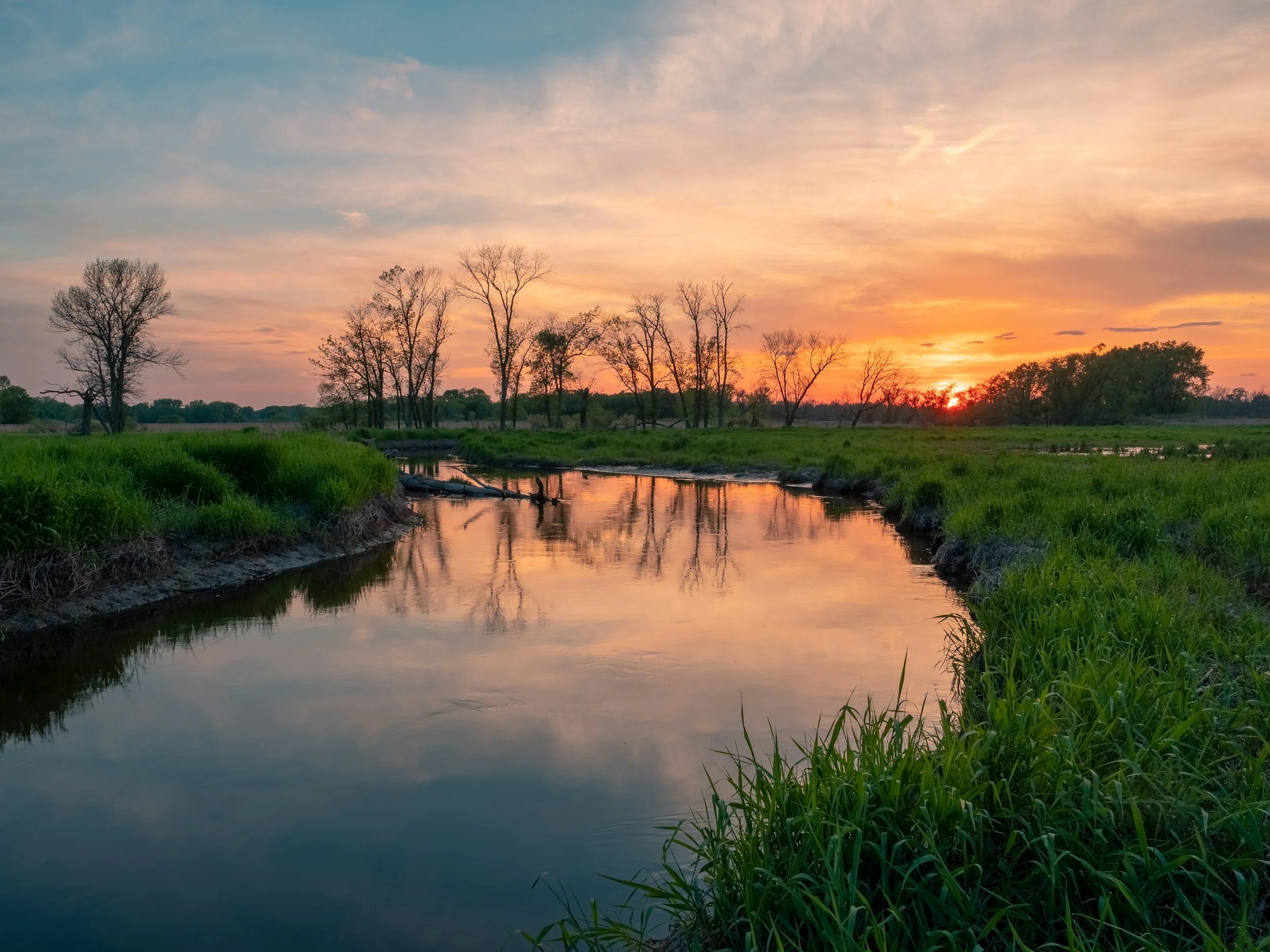
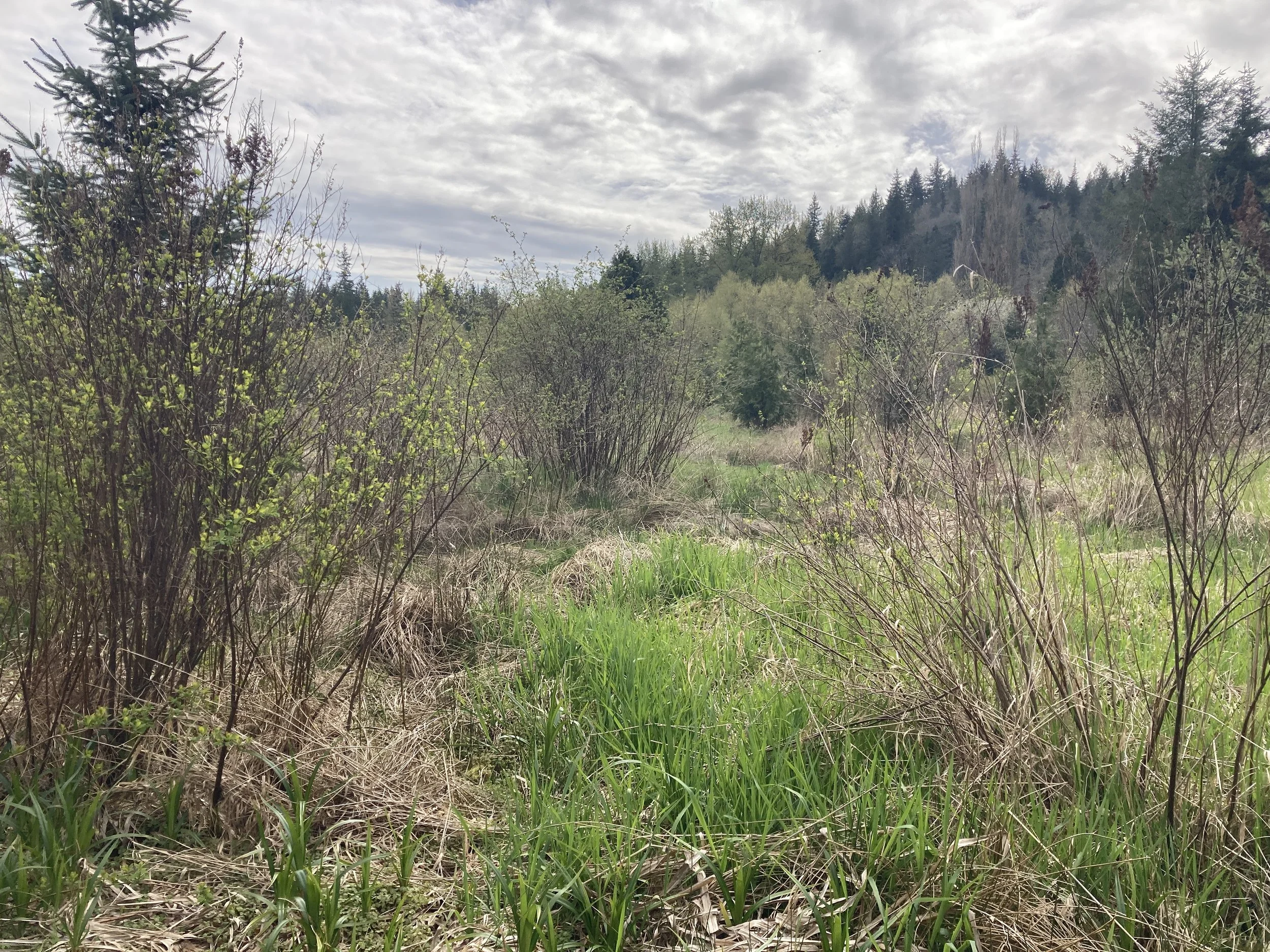
The Pilchuck Watershed is a stunning landscape encompassing parts of Granite Falls, Lake Stevens, and Snohomish. It also includes the Pilchuck River, which joins with the Snohomish River before draining into Possession Sound. This watershed’s beauty draws more visitors and residents each year, increasing development and, in turn, impervious surfaces, stormwater runoff, and water pollution loads. In recent years, water quality testing along the Pilchuck River has revealed high temperature and bacteria levels and low dissolved oxygen levels. This does not bode well for salmon and other native aquatic species that call this watershed home.
Read More