


Our Year in Conservation
Our incredible staff and dedicated board of supervisors embody conservation. It is our daily work and long-term mission. This annual report provides highlights and stories of that work.
In 2025, we proved that patience pays off. Projects we started 12 years ago came to fruition. We removed barriers that allowed fish to swim through streams that had been blocked for generations. Farms that began conservation planning years ago completed their final practices.
We also responded to immediate crises. When December floods hit, we were on farms within hours—because relationships built over decades meant farmers knew who to call.
This is conservation that works at two speeds: the slow, deliberate work of restoration, and the rapid response that trust makes possible. The numbers below tell the story of both.
- Linda Lyshall

Your Community in 2025
A Greener Future

88,697 Plants
shared and placed
Cool streams for salmon, filter stormwater pollution, support wildlife, and create greener neighborhoods across forests, farms and cities.
Thriving Farms
149 Farms
supported across the county
Building soil health, improving nutrient management, and supporting sustainable grazing across dairies, horse farms, and crop operations - protecting water quality while strengthening farm productivity.
Safer Forests, Cleaner Air
374 cubic yards
of wildfire fuel chipped
Removing flammable brush and branch piles by chipping rather than burning, reducing fire danger, keeping smoke out of neighborhood air, and providing valuable mulch for gardens.
Future Stewards
10,327 youth
engaged in learning
Science-aligned lessons on watersheds, soil health, and local food systems—taught in classrooms from preschool through high school.
Boots on the Ground
223 Visits
with landowners
Walking properties with landowners to design solutions for planting native buffers, managing stormwater runoff, reducing erosion, and improving wildlife habitat–customized to fit each site.
Natural Solutions
357 feet
of bioswale installed
Planted with 375 native plants and about the length of a Mukilteo-Clinton ferry, this living filter captures stormwater runoff, removing oil, sediment, and pollutants before they reach local streams.

Three Stories from 2025
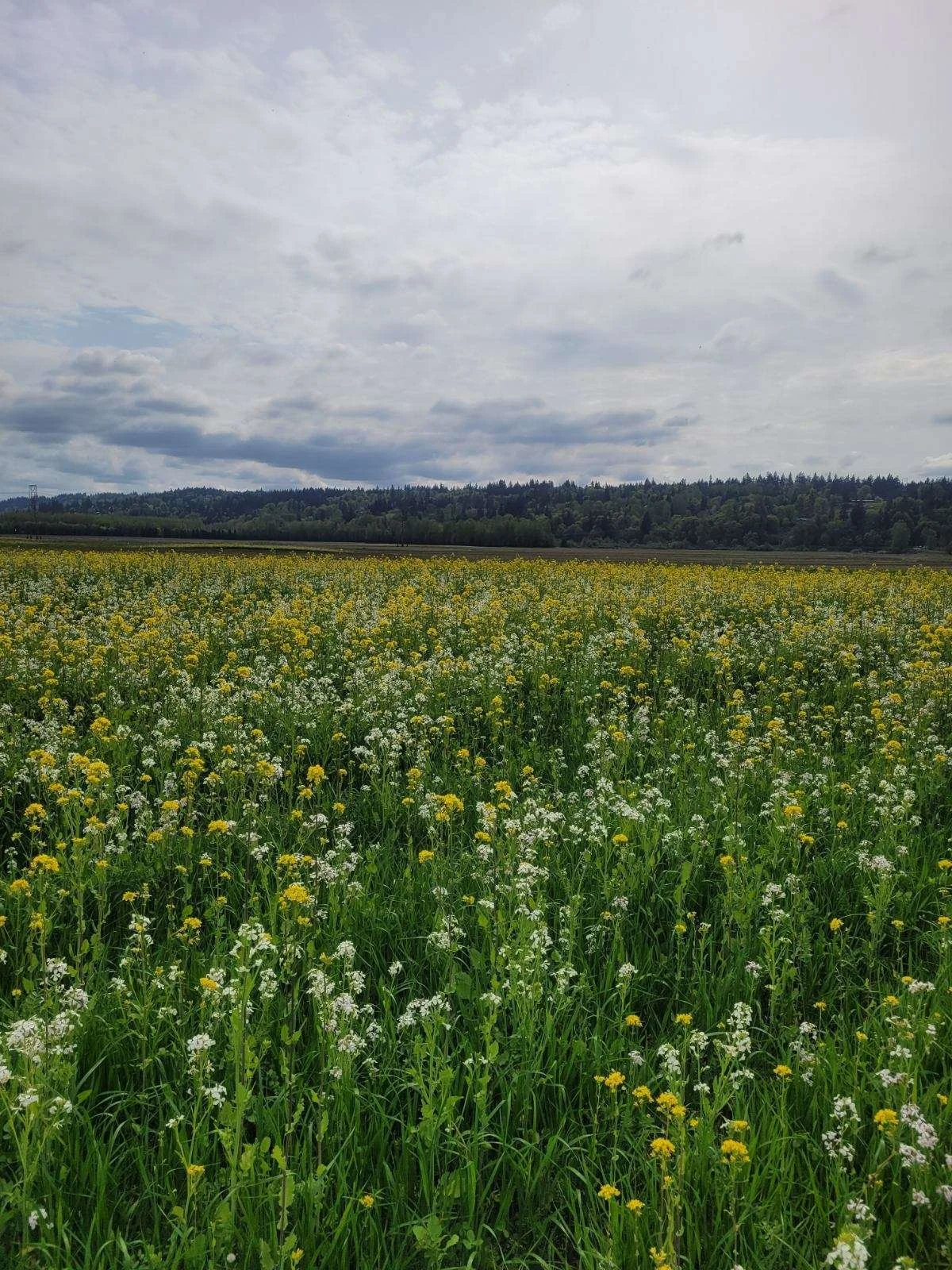
Growing Resilience
Supporting Farms Through Flood and Beyond
Whether it’s keeping thousands of gallons of rainwater out of manure storage, helping a farmer adopt new tools and technologies, or reimagining food production in flood-prone conditions, each project strengthens both individual operations and the broader landscape.
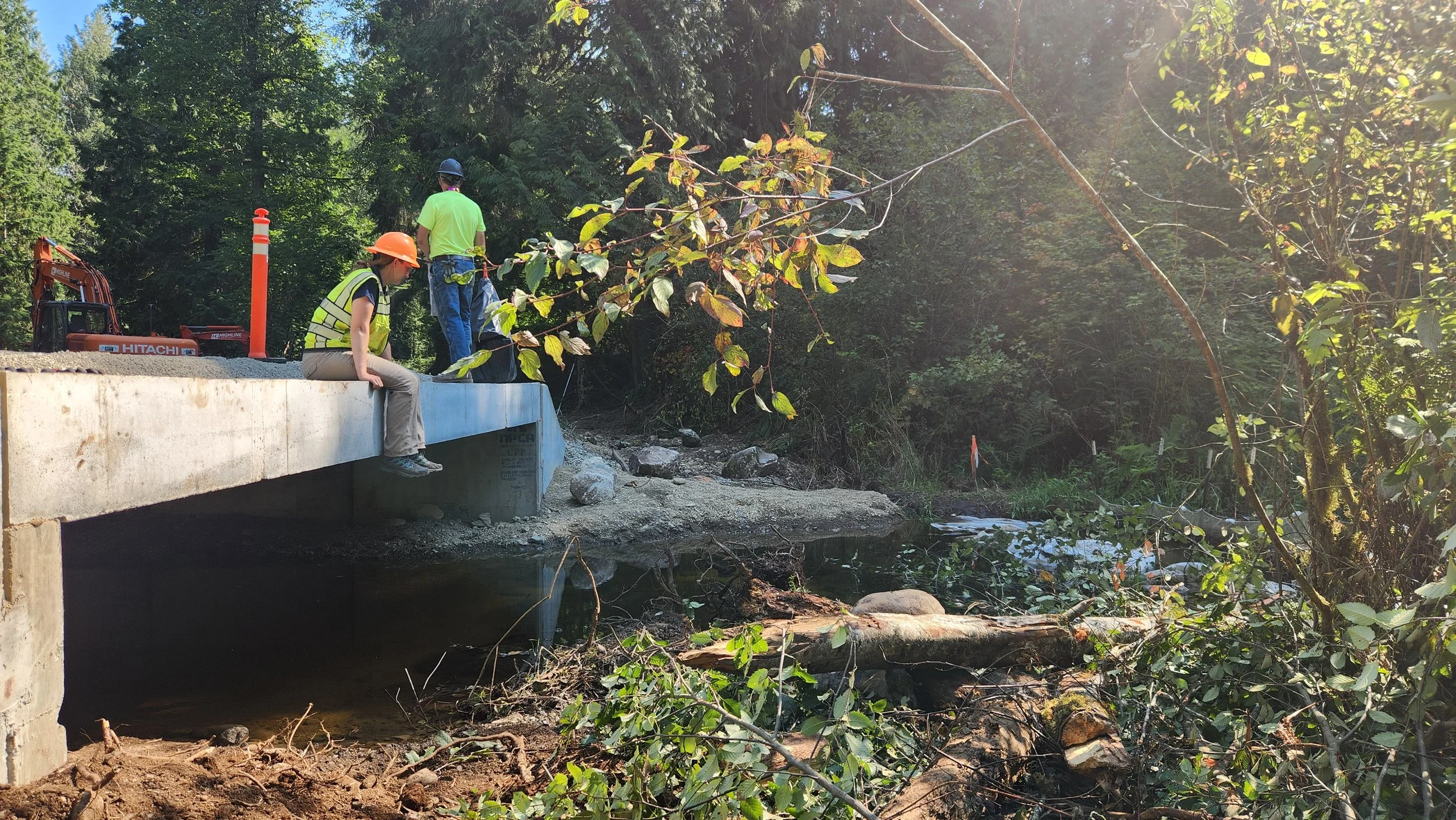
Salmon Recovery
Opening the Way: Restoring Our Watersheds
Salmon recovery doesn’t happen in one place. From replacing a culvert miles upstream to planting trees along a creek, installing a rain garden in a backyard to building resilient forests, each action contributes to cleaner water and improved habitat.
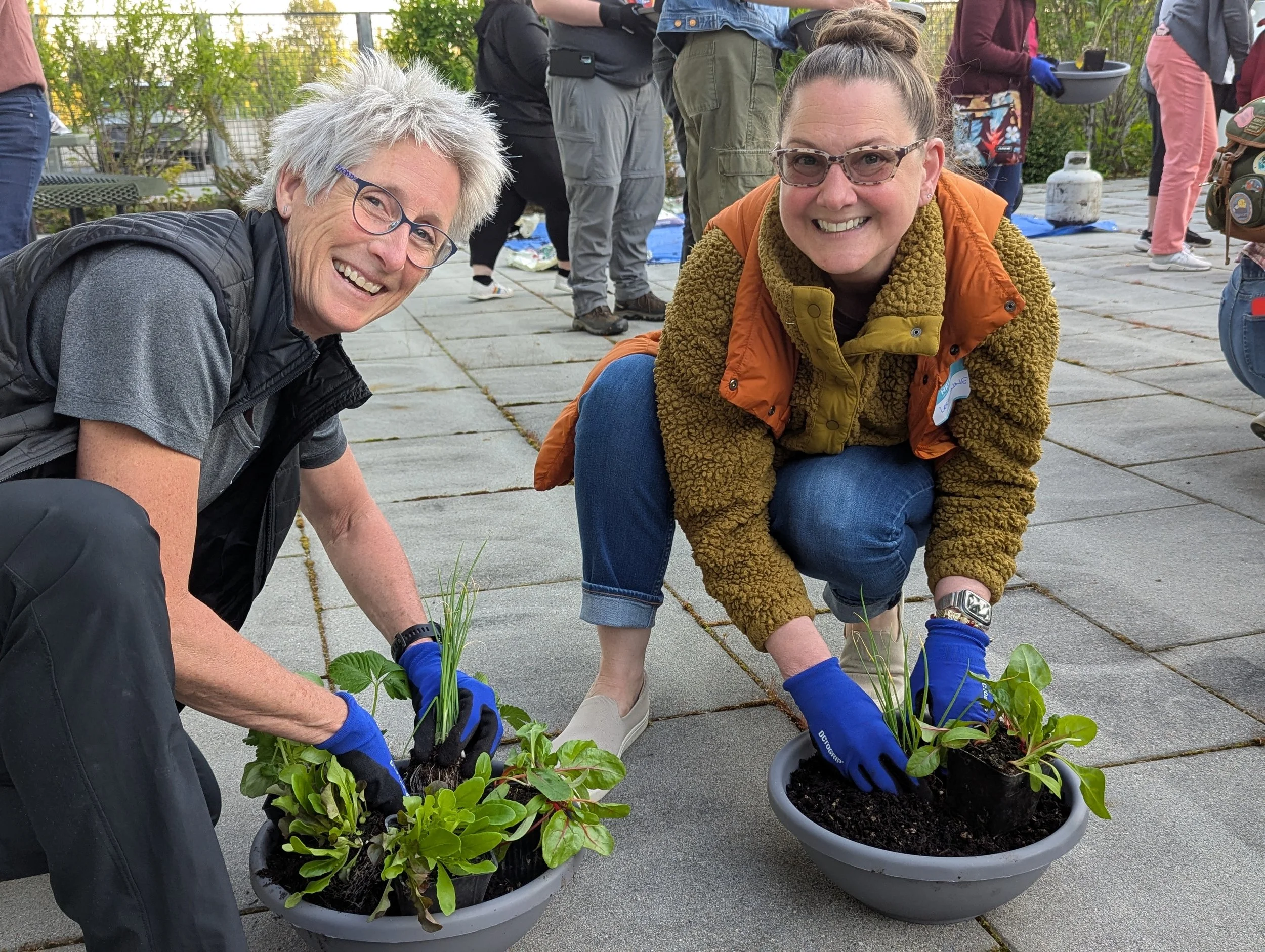
Urban Conservation
Fresh Food Within Walking Distance
We expanded food-growing space, strengthened community partnerships, and increased tree canopy, helping shape more resilient and equitable neighborhoods for the future.
Stewarding Your Investment
Transparency in how we raise and use funds
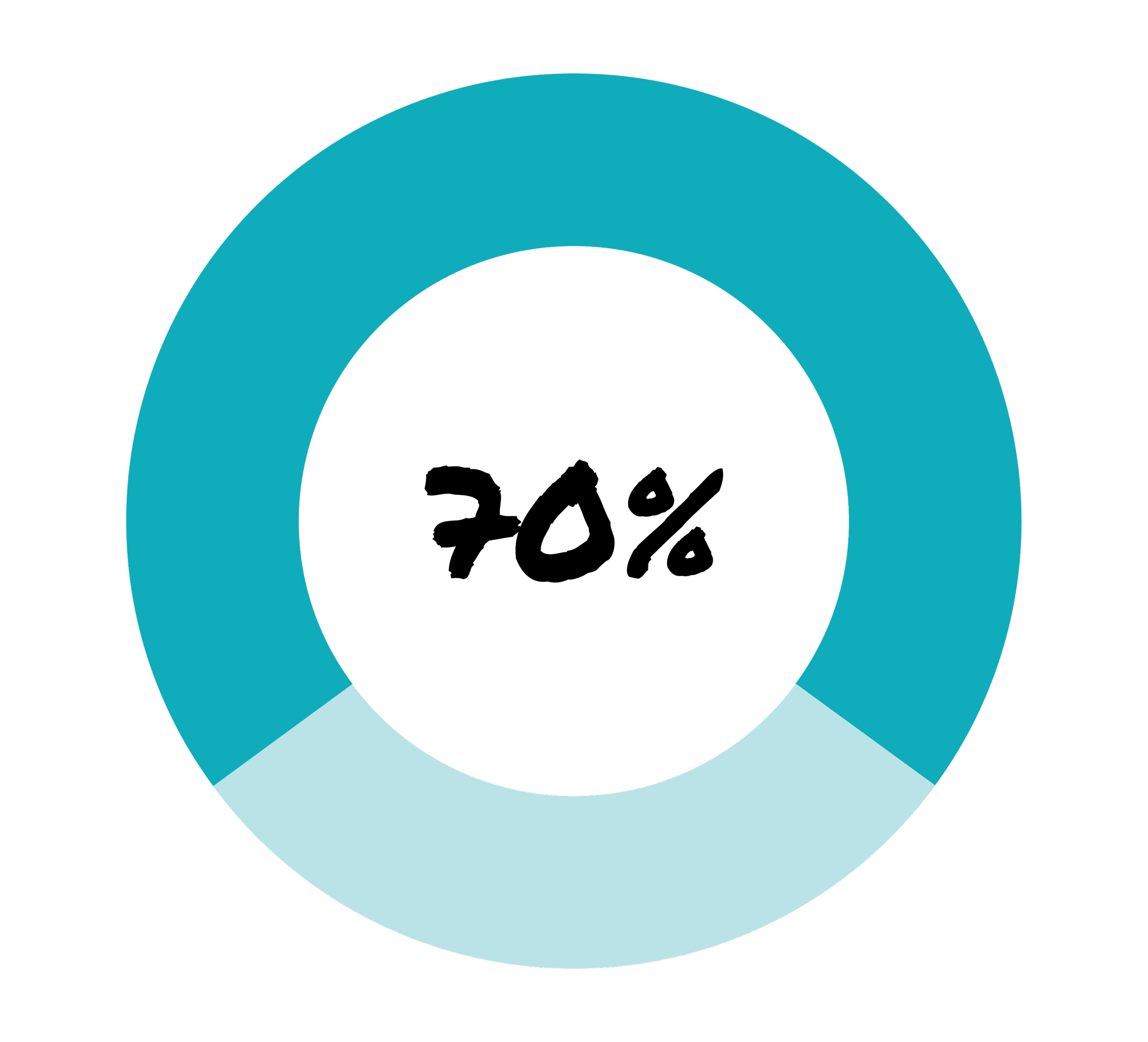
For every $1 of Rates and Charges funding, we brought in $2.57
in federal and state grants to benefit Snohomish County and Camano Island landowners.
Grants
$6,173,092.46
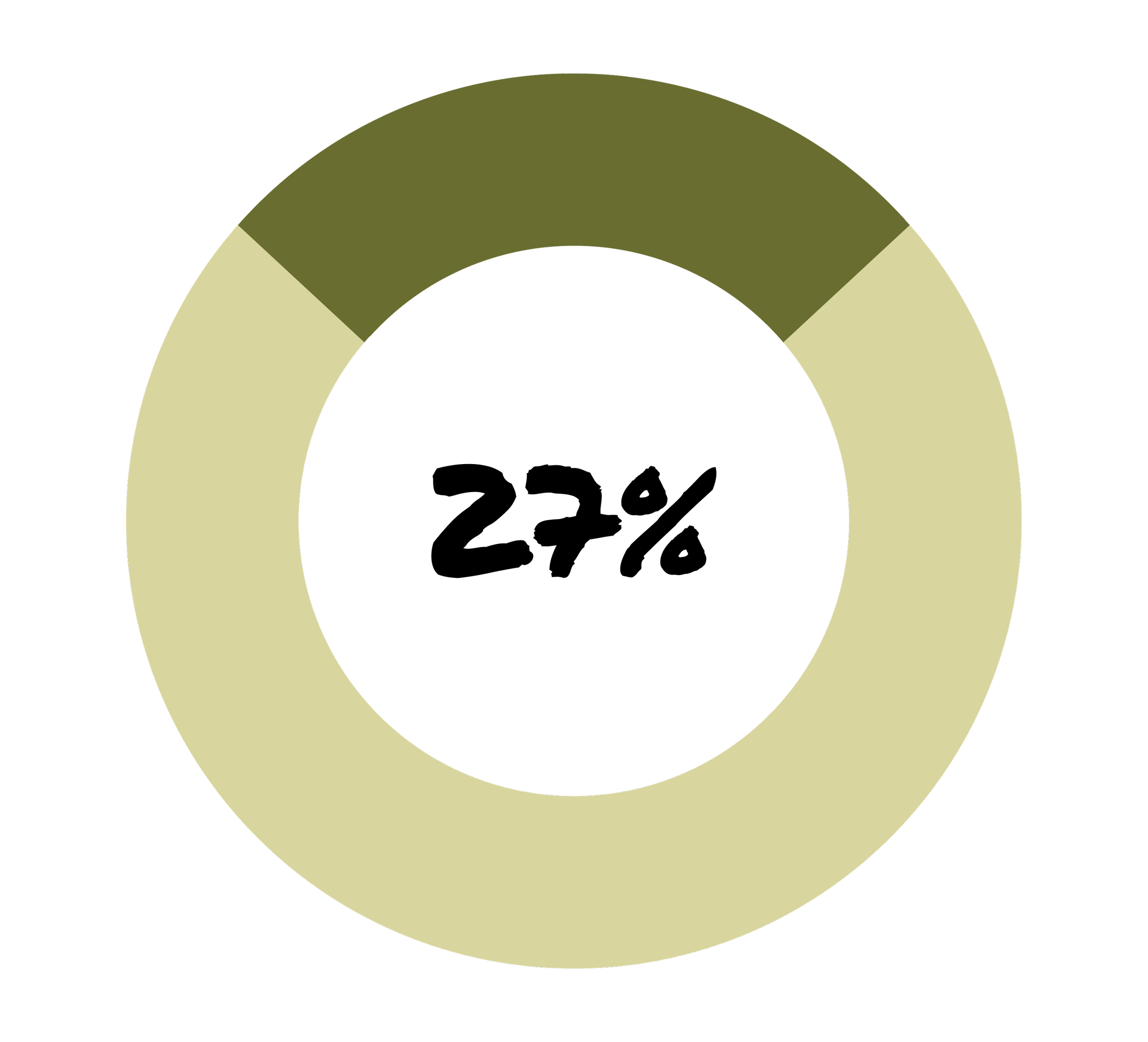
Snohomish County
$2,337,779.06
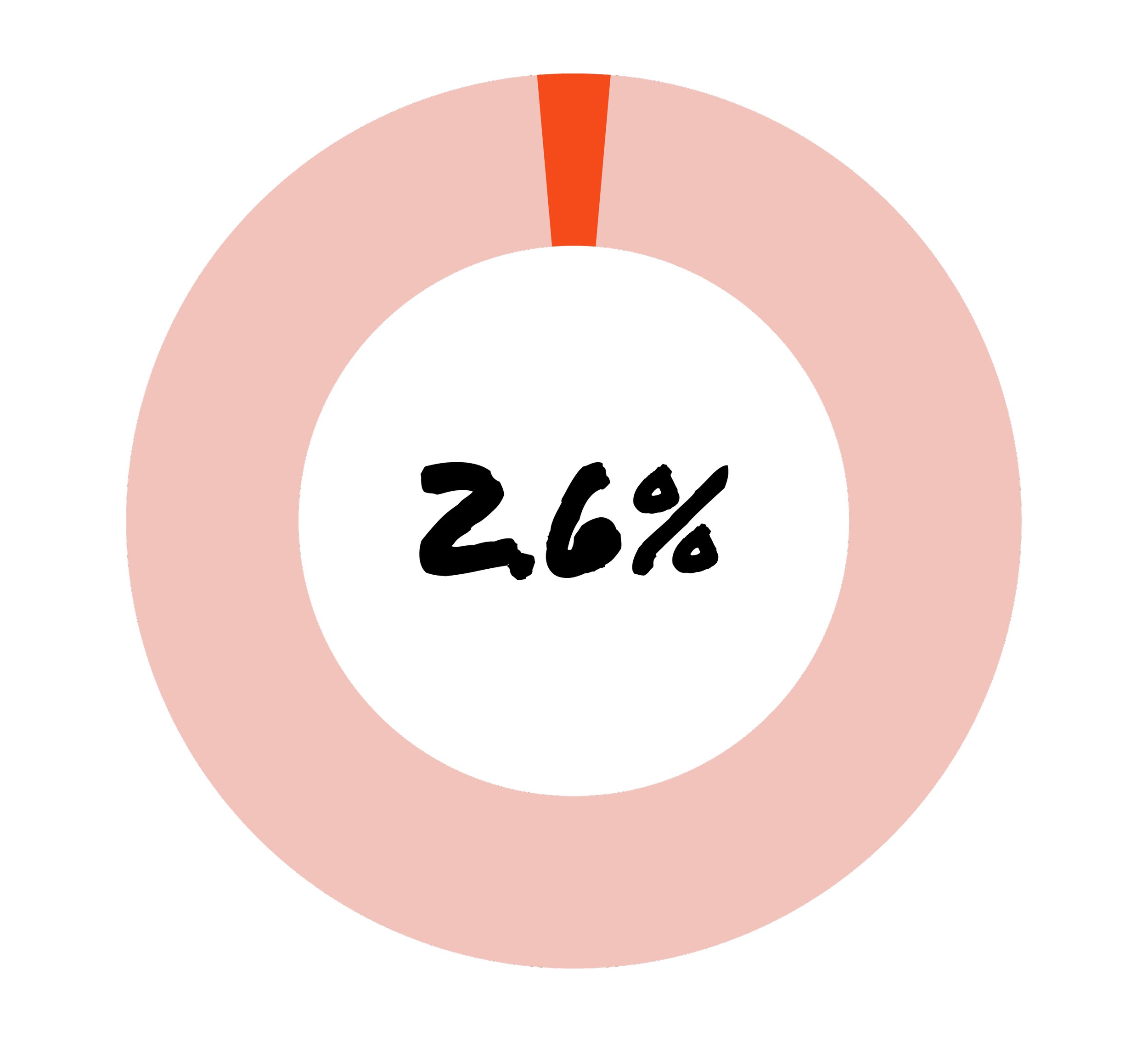
City Partnerships
$230,045.65
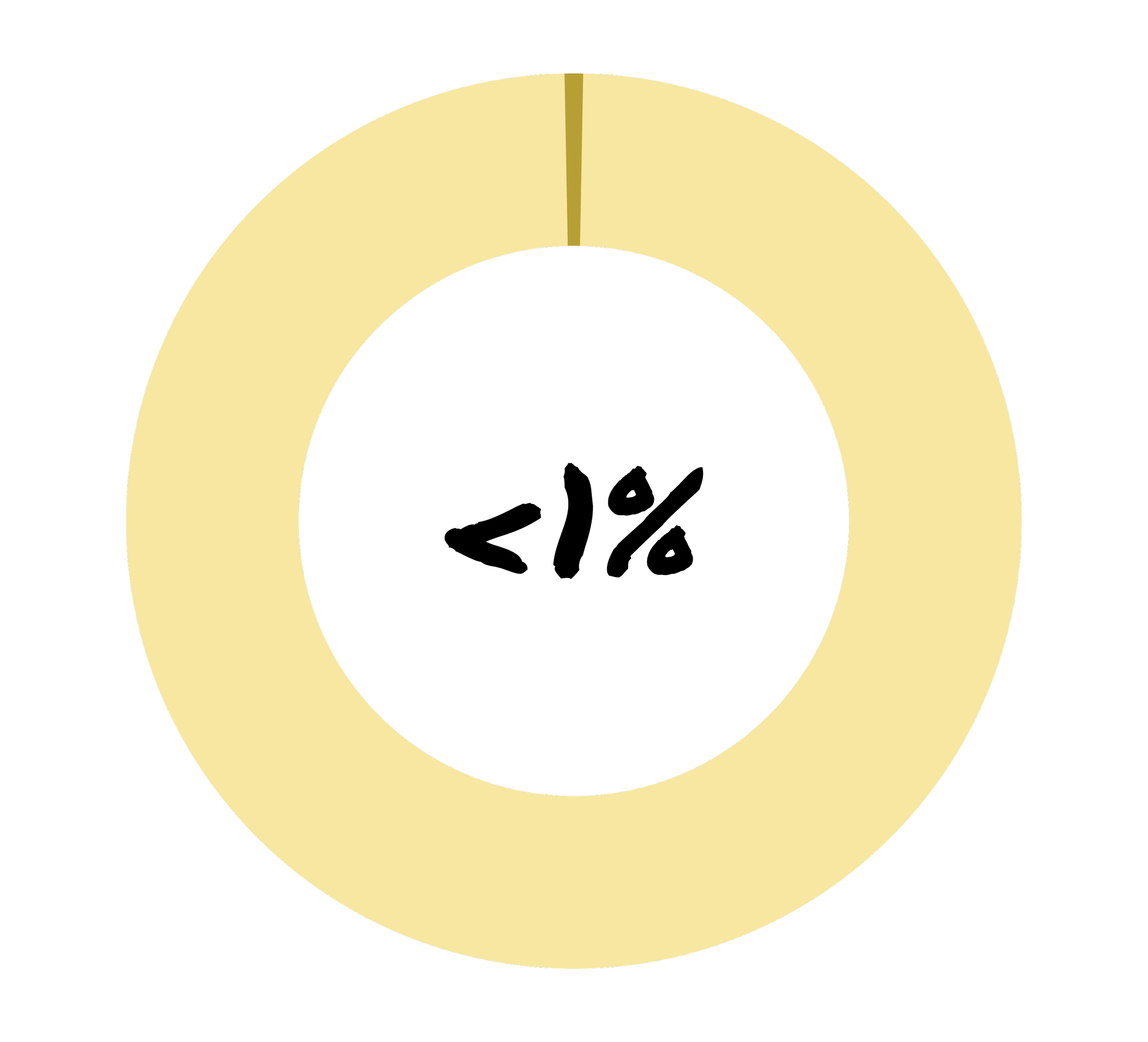
Camano Island
$60,220.78